Going home
Equipment at home and additional services
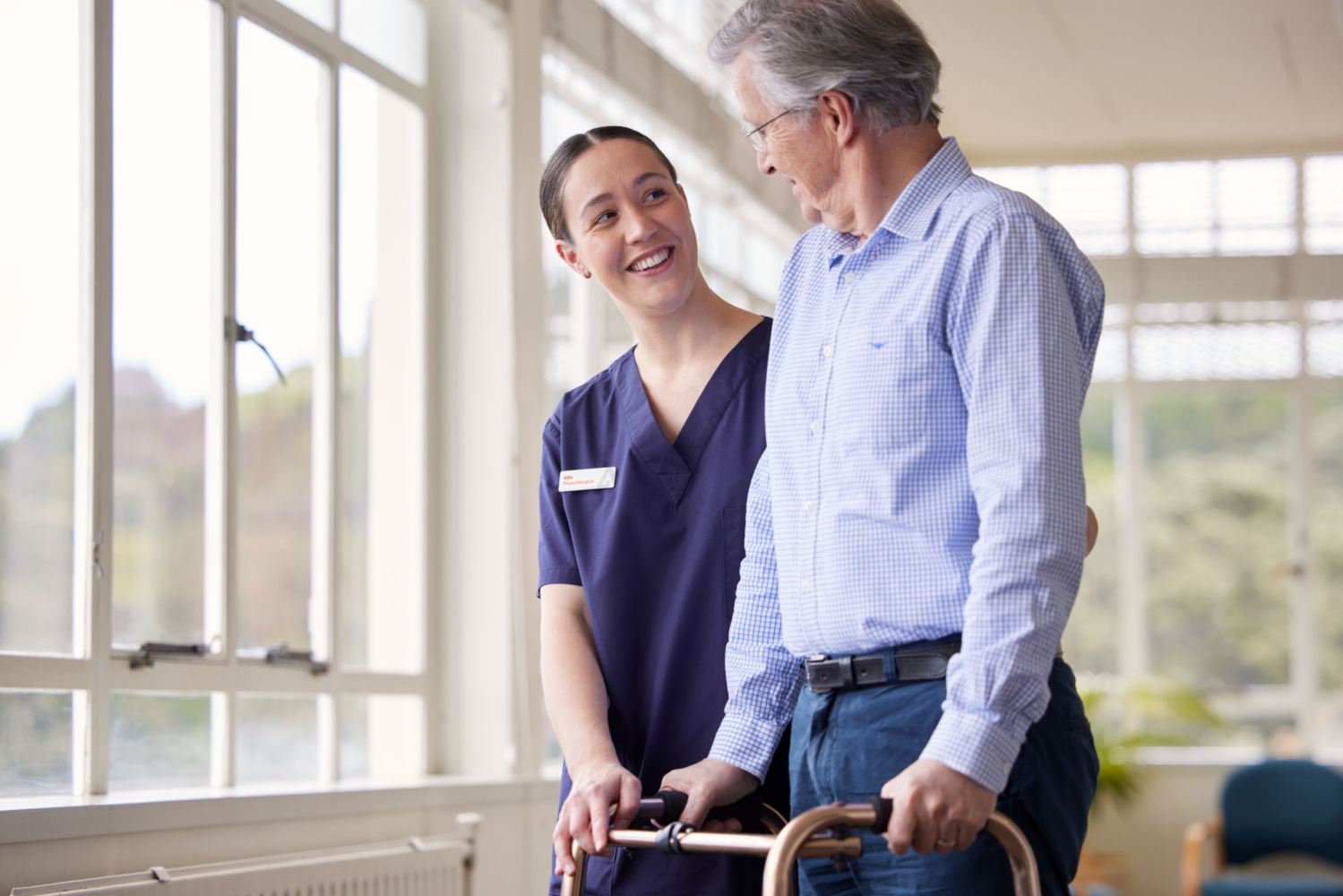
Basic equipment, such as crutches and/or a raised toilet seat, will be provided if required. Please let us know if you think you will require additional equipment to ensure your safety at home following discharge.
Referrals to support services will be made in line with the service providers’ criteria and according to your individual needs.
When you get home
You may expect to feel a little tender after the operation, please feel free to phone us for advice.
If you feel:
- increased pain or excessive swelling around the wound;
- nausea or vomiting;
- fever or chills,
then please call our nursing team on 09 437 9075 or your surgeon immediately.
In the event of an emergency, call 111 and request an ambulance.
Pain management
With regular pain relief, you should be able to rest comfortably and carry out activities like walking, showering, and physiotherapy exercises. If you find that the medications prescribed by your specialists aren't enough to manage your pain, please contact our nursing team or you surgeon.
Rest
Feeling tired and uncomfortable when you first go home after a procedure is very normal. Plan to have some rest time in your bed and let family and friends know not to disturb you for the first day or so - unless they're helping with meals and other activities.
Your bowels
Changes in diet, activity, and medications can lead to irregular bowel habits, but this usually goes back to normal with time. A well-balanced diet, including plenty of fluid and exercise, is beneficial.
Activity
If you have been given specific instructions about activity from your surgeon or physiotherapist, please follow these closely to help your recovery. Otherwise, simply increase the amount of exercise you do gradually. For example, you might decide to take a short walk two or three times a day and slowly increase the distance over a few weeks.
Many people find it easier to use a dining room chair to sit in rather than getting up from a low chair, especially if you have had abdominal or back surgery.
If a certain movement hurts, avoid it where possible until you get your strength back. Movements that cause discomfort can include bending and stretching, lifting heavy weights (including children), and pulling and pushing (like vacuuming or lawn mowing).
Driving
The time you can safely start driving depends largely on the type of procedure you've had. Your surgeon will give you advice on this. The main concern is your ability to make an emergency stop. Please check with your car insurance company about your vehicle coverage following a procedure.
You should not drive if you are taking strong pain relief that makes you drowsy or slows reaction times.
Going back to work
It's important to feel well before you return to work or you could be affected by tiredness and reduced concentration. Talk to your surgeon or family doctor if your recovery is taking longer than your surgeon thought it would and/or the medical certificate you were given does not seem to be for long enough.
Post-operative questionnaire or phone call
After your procedure, we’ll check in to see how you're recovering at home.
- If you completed your admission form online via Personify Care, you’ll receive a text or email with a short post-operative questionnaire. It only takes a few minutes and helps our nurses understand how you’re doing. If you’d prefer to speak to someone directly, you can request a phone call from a nurse.
- If you completed a paper admission form, one of our nurses will give you a follow-up phone call to check in and ask a few questions about your recovery.
If you have any concerns once you are home, contact your surgeon or our nursing team.